
Sepetiniz

Sepetinizde ürün yok.

Featured image: Trail Running Gear Checklist: Everything You Need for Your First Race

Trail Running Gear Checklist: Everything You Need for Your First Race

Trail running is one of the fastest-growing sports for good reason — it gets you off pavement, into nature, and delivers a workout that engages your whole body in ways road running can’t. But the gear requirements are different, and showing up to your first trail race unprepared can turn an exciting day into a miserable one. Here’s a complete checklist to get you to the start line ready.

Trail Running Shoes: Non-Negotiable

Road shoes don’t work on trails. Trail running shoes have aggressive lugs for grip on mud, rock, and loose dirt; protective plates to shield your feet from sharp rocks; and reinforced uppers to resist abrasion. Fit should be slightly roomier than road shoes — your feet will swell during long efforts, and toes that hit the front on steep descents will blacken. Try them on at the end of the day with running socks. Break them in with at least 30 miles before race day.

Hydration: Vest Over Belt

For anything over an hour, a hydration vest is the right call. Vests distribute weight evenly across your torso, don’t bounce, and hold soft flasks or a bladder depending on your preference. Look for one with pockets in the front for snacks and a phone, plus a secure rear pocket for layers. Capacity should match your race distance — 2 to 6 liters for most events, larger for ultras with mandatory gear lists.

Clothing That Handles Conditions

Trail races often start cold and end hot, with weather changes in between. A lightweight moisture-wicking short-sleeve is your base layer; add a long-sleeve option for cooler starts. Trail shorts should have a liner and at least one pocket for gels. Compression socks or calf sleeves protect against brush and reduce fatigue. A packable wind shell handles unexpected weather. Avoid cotton in any layer — it stays wet and chafes.

Nutrition and Electrolytes

For races over 90 minutes, you’ll need calories on the trail. Energy gels are convenient but get old fast; experiment with chews, blocks, and real food like salted potatoes during training. Aim for 30 to 60 grams of carbohydrate per hour, practiced well in advance. Electrolyte capsules or drink mix are essential in heat. Carry more than you think you need — aid stations can run out, and the back of a trail race is no place for a hunger bonk.

Navigation and Safety Gear

Even on well-marked courses, a GPS watch with breadcrumb navigation is invaluable. It tells you how far you’ve gone, how far is left, and whether you’re on course. For remote races, a small first-aid kit, a whistle, and an emergency blanket are mandatory in many events. A headlamp with fresh batteries is essential for early morning starts or races that might extend past sunset. Pack these in your vest’s rear pocket.

Training and Race-Day Mindset

Gear is only part of the equation. Train on terrain similar to your race — if the course is technical with lots of rocks and roots, find local trails that mimic those conditions. Practice downhill running, which destroys quads if you’re not accustomed to it. On race day, start slower than you think you should — trails are slower than roads, and early excitement leads to mid-race blowups. Most importantly, enjoy the experience. Trail racing rewards patience and presence as much as fitness. Browse ShopBar’s Sports store for trail running essentials from brands that test their gear on the same trails you’ll be running.
Featured image: Home Gym Essentials: Build a Complete Setup in 10 Square Feet

Home Gym Essentials: Build a Complete Setup in 10 Square Feet

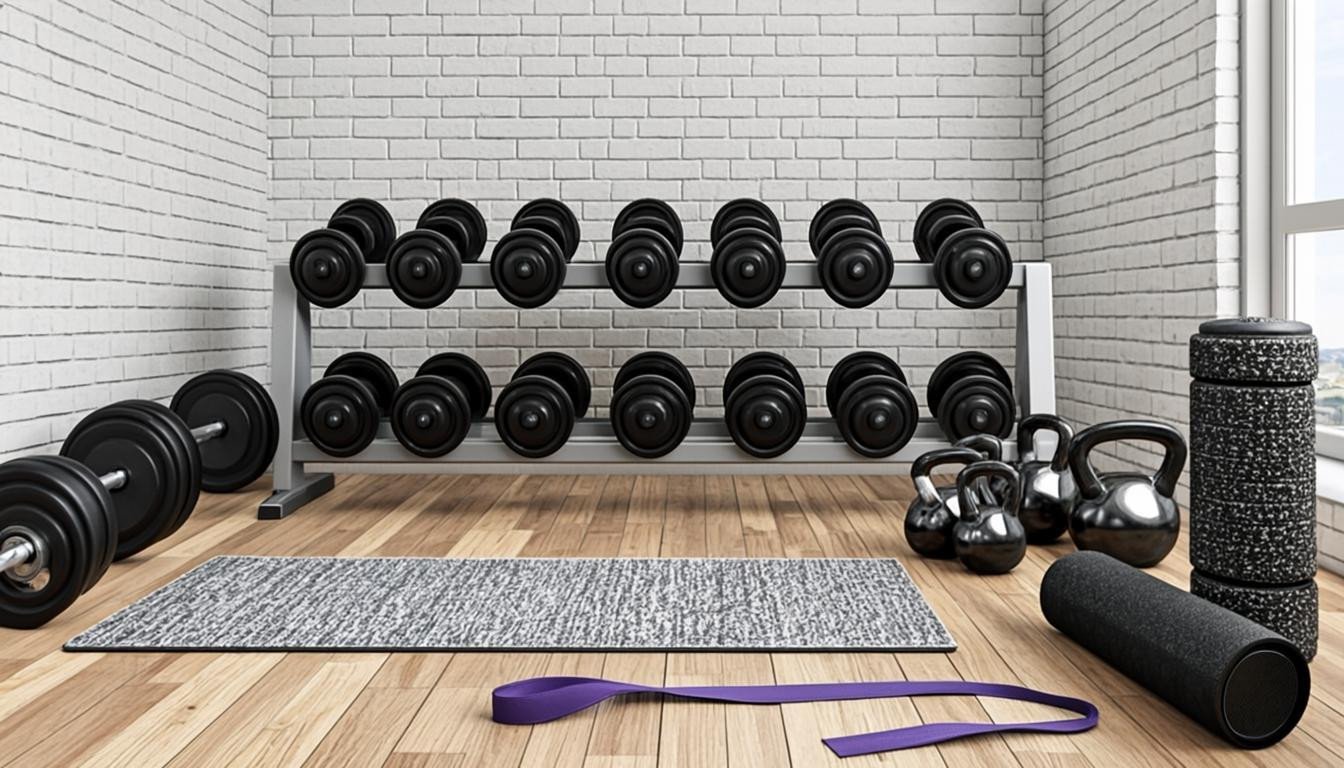
You don’t need a spare room or a $5,000 budget to build a home gym that actually works. With smart selection, a 10-by-10-foot corner of a bedroom, garage, or living room can hold everything you need for strength, mobility, and cardio training. Here’s how to assemble a complete setup without wasting space or money.

Start With the Floor

A quality floor protects both your equipment and your actual floor. Interlocking rubber tiles are the gold standard — they absorb dropped weights, provide grip for lifts, and define the gym zone visually. Aim for at least 8mm thickness; 15mm if you plan to deadlift. Avoid foam mats, which compress under weight and degrade quickly. A small investment here prevents expensive damage later.

The Power of Adjustable Dumbbells

Adjustable dumbbells are the single best investment for a small home gym. A single pair replaces an entire rack of fixed dumbbells, changing weight in seconds. Modern designs go from 5 to 50 pounds or more, covering the vast majority of exercises most people will ever need. The space savings are enormous — what would require an entire wall of traditional dumbbells fits in the footprint of a small bookshelf.

A Kettlebell or Two for Variety

Kettlebells offer something dumbbells can’t — ballistic movements like swings, cleans, and snatches that build power and conditioning simultaneously. For a home gym, two weights are usually enough: a moderate bell for swings and a heavier one for slow grinds like goblet squats. Cast iron is more durable than competition-style steel for home use. A 16kg and a 24kg bell covers most people for years.

Resistance Bands: The Multiplier

A set of resistance bands effectively doubles the exercises available in your home gym. Loop bands add accommodating resistance to barbell and dumbbell lifts. Tube bands with handles allow standing presses, rows, and pull-downs without a cable machine. Mini bands are perfect for glute activation and mobility work. They cost almost nothing, weigh almost nothing, and open up an enormous range of training options.

The Foam Roller and Mobility Tools

Recovery is part of training, and a foam roller is non-negotiable. A dense EVA roller handles most soft tissue work; add a lacrosse ball for targeted trigger point release. Resistance bands also double as stretching aids for mobility work. A yoga mat is essential for floor-based exercises and stretching. These tools take minimal space but dramatically improve how you feel during and after workouts.

Cardio Without a Treadmill

Cardio equipment eats space, but you don’t need it. A jump rope delivers brutal conditioning in the space of a hallway. Kettlebell swings and burpees build aerobic capacity without any equipment. For those who want low-impact options, a slide board or rowing machine can work in tighter spaces than a treadmill. The point is to choose what you’ll actually use rather than what looks impressive. Browse ShopBar’s Sports store for handpicked home gym equipment suited to small spaces.

Featured image: The Leather Bag Edit: Totes, Crossbodies, and Backpacks Worth the Splurge

The Leather Bag Edit: Totes, Crossbodies, and Backpacks Worth the Splurge

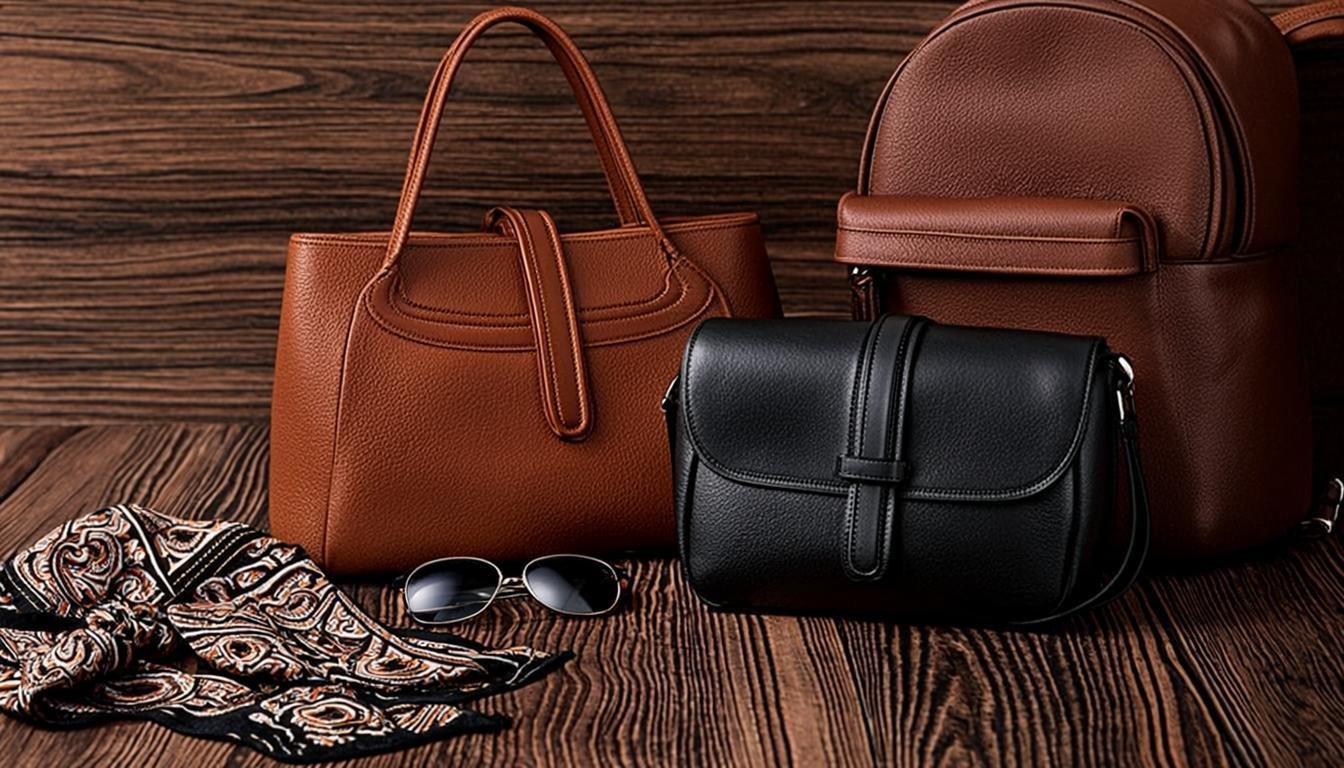
A good leather bag is one of the few purchases that genuinely improves with age. Unlike most accessories that look tired after a season, well-made leather develops a patina that tells the story of where you’ve been and what you’ve carried. Here’s how to navigate the three core styles — totes, crossbodies, and backpacks — and choose one (or all three) that will last for decades.

The Tote: Daily Workhorse

A leather tote is the most versatile bag in any wardrobe. It carries a laptop, gym clothes, groceries, or a weekend’s worth of essentials with equal ease. Look for structured bottom panels that prevent sagging, reinforced handles that won’t stretch, and an interior zip pocket for valuables. Vegetable-tanned leather ages beautifully but requires more care; chrome-tanned leather is more forgiving and water-resistant. A medium tan or rich brown shade will coordinate with the widest range of outfits.

The Crossbody: Hands-Free Essential

A crossbody bag solves the eternal problem of carrying essentials without occupying your hands. The best designs are compact enough to wear all day without strain but roomy enough for phone, wallet, keys, sunglasses, and a small water bottle. Look for an adjustable strap that allows wearing across the body or on one shoulder. Magnetic closures offer quick access; zippers offer security. A small crossbody in black or cognac is the most useful bag you’ll own.

The Backpack: Beyond Student Style

Leather backpacks have graduated from student territory into genuinely sophisticated accessories. A well-designed leather backpack distributes weight more comfortably than a tote, frees both hands, and works for commuting, travel, and even some offices. Look for padded laptop compartments, sturdy hardware that won’t fail under load, and back panels that allow airflow. Avoid designs with too many external pockets — clean lines age better and look more professional.

Leather Quality: What to Look For

Not all leather is created equal. Full-grain leather — the top layer of the hide with natural grain intact — is the most durable and develops the best patina. Top-grain leather has been sanded to remove imperfections, producing a more uniform look but slightly less character. Genuine leather, despite the name, is a lower-grade product bonded together; avoid it. Look for bags that specify full-grain or top-grain, and trust brands that openly discuss their materials.

Hardware and Stitching Details

The details separate a bag that lasts decades from one that falls apart in a year. Hardware should be solid brass or stainless steel, not plated plastic. Zippers should be from reputable makers like YKK or Riri. Stitching should be even, with no loose threads, and stress points should have reinforced stitching or rivets. Edge paint, where the cut edges of leather are sealed, should be smooth and consistent. These details cost more but are the difference between an heirloom and a disposable.

Care for a Lifetime of Use

Leather care is simple but matters. Condition every six months with a quality leather balm to prevent cracking. Avoid prolonged exposure to direct sunlight, which fades color. Stuff bags with tissue paper when not in use to maintain shape. Address scratches immediately with a small amount of leather conditioner. With basic care, a quality leather bag will outlast most other items in your wardrobe. Explore ShopBar’s Accessories store for handpicked leather goods from brands that stand behind their craft.

Featured image: Timeless Watches Under $200 That Look Like a Million Bucks

Timeless Watches Under $200 That Look Like a Million Bucks

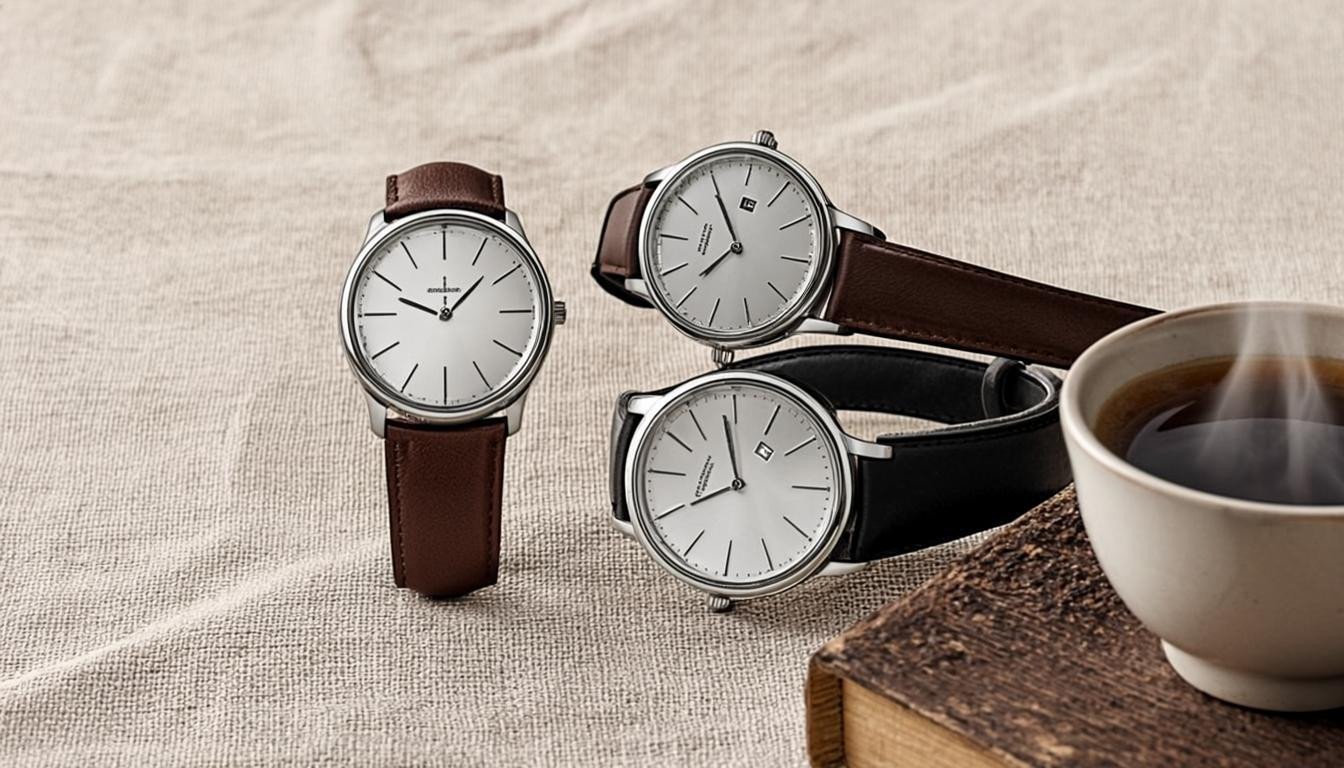
A great watch doesn’t have to cost a fortune. While luxury timepieces will always have their place, the sub-$200 market has matured dramatically, with brands offering mechanical movements, sapphire crystals, and timeless designs at genuinely accessible prices. Here’s how to find a watch that looks far more expensive than it is.

What Makes a Watch Look Expensive

Expensive-looking watches share a few characteristics regardless of price. The dial is clean and uncluttered — too much text or too many subdials reads as busy rather than refined. The case has polished and brushed surfaces that catch light differently, creating visual depth. Hands and indices are applied rather than printed, giving the dial dimensionality. The crystal is sapphire, not mineral glass, for clarity and scratch resistance. Finally, the case size suits the wearer — typically 38-42mm for most wrists.

The Case for Mechanical Movements

Quartz movements are accurate and low-maintenance, but mechanical movements carry a romance that quartz can’t match. The sweeping seconds hand, the visible movement through a case back, the knowledge that hundreds of tiny parts are working together — these are what make watches fascinating. Several affordable brands now use reliable automatic movements from Seiko, Miyota, or Sellita, bringing mechanical ownership within reach.

Brands That Punch Above Their Price

Seiko and Orient have anchored the affordable mechanical market for decades, and their entry-level models remain benchmarks. Casio’s Edifice line offers surprisingly refined designs under $150. Citizen’s Eco-Drive watches use solar charging, eliminating battery changes. Tissot’s entry-level models bring Swiss heritage to the sub-$300 range. Baltic, Lorier, and Christopher Ward represent a newer wave of direct-to-consumer brands offering vintage-inspired designs with modern reliability.

The Versatility of a Field Watch

If you’re buying only one affordable watch, make it a field watch. The style — originally designed for military use — pairs a simple, highly legible dial with a rugged case. Field watches work with casual outfits, business casual, and even some formal settings. The design language is timeless; a good field watch will look as appropriate in 2036 as it does today. Pair it with a quality leather strap for instant upgrade.

The Importance of the Strap

The strap changes everything. A single watch can look entirely different on a steel bracelet, a leather strap, or a NATO fabric band. Aftermarket straps are an affordable way to refresh a watch — a $30 leather strap can transform a $100 watch into something that reads as $300+. Build a small collection of straps and rotate them; you’ll feel like you own multiple watches for a fraction of the cost.

Care and Longevity

Even affordable watches benefit from basic care. Avoid showering or swimming unless the watch is rated to at least 50m water resistance. Service mechanical movements every five to seven years. Store watches away from magnets and direct sunlight. With minimal attention, a good affordable watch will run for decades. Browse ShopBar’s Accessories store for timepieces and straps that suit every budget and wrist.

Featured image: Clean Beauty Decoded: What Ingredients to Embrace and Avoid

Clean Beauty Decoded: What Ingredients to Embrace and Avoid

Clean beauty sounds simple in theory — fewer synthetic ingredients, more botanicals, gentler formulations. In practice, the term has become a marketing wildcard, slapped on everything from genuinely thoughtful products to greenwashed versions of the same old formulations. Here’s how to decode clean beauty labels and figure out which ingredients actually matter.

Ingredients Worth Embracing

Some ingredients deserve their hype. Niacinamide regulates oil production and strengthens the skin barrier. Hyaluronic acid holds a thousand times its weight in water. Ceramides are lipids your skin naturally produces; replenishing them supports barrier function. Botanical antioxidants like green tea extract, rosehip oil, and squalane offer proven benefits without synthetic controversy. These workhorse ingredients are the foundation of effective clean formulations.

Ingredients Worth Avoiding

The list of controversial ingredients is shorter than marketing would have you believe. Synthetic fragrances top the list — they’re trade secret blends that can contain dozens of undisclosed chemicals and are common irritants. Parabens, while FDA-approved, have raised enough concern that many brands have moved away from them. Sodium lauryl sulfate can be overly harsh for sensitive skin. Phthalates, used to make fragrances last longer, are worth avoiding. Beyond these, most concerns are overstated.

Natural Isn’t Always Better

The assumption that natural equals safe is one of clean beauty’s most persistent myths. Poison ivy is natural. Essential oils can cause severe allergic reactions and photosensitivity. Many botanical extracts are more irritating than their synthetic counterparts. Conversely, lab-made ingredients like hyaluronic acid and squalane are molecularly identical to natural versions but more stable and sustainable. Judge ingredients by their effects, not their origin story.

Reading the Label Like a Pro

Ingredients are listed in descending order of concentration until you hit the 1% mark, after which they can appear in any order. The first five ingredients tell you most of what you need to know about a product. Water (aqua) usually comes first, followed by the functional ingredients. If a marketing darling like rosehip oil appears at the very end of a long list, it’s present in trace amounts — essentially there for label appeal. Look for products where star ingredients appear in the top third of the list.

The Certifications That Matter

Third-party certifications cut through marketing noise. COSMOS Organic certifies genuinely organic formulations. EWG Verified indicates a product meets strict safety standards. Leaping Bunny certifies cruelty-free status. Made Safe screens against thousands of harmful chemicals. B Corp certification covers overall social and environmental responsibility. No single certification tells the whole story, but together they provide meaningful signal.

Building a Routine That Works

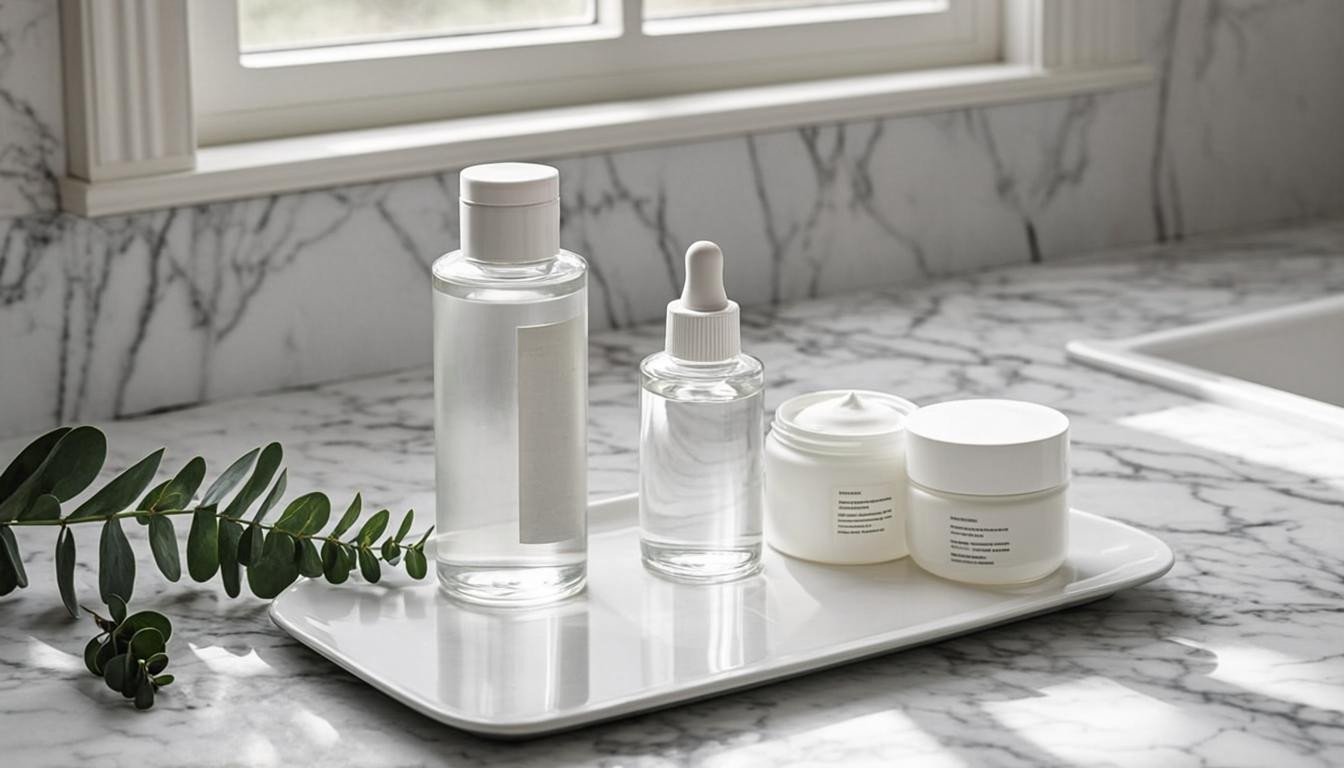
Clean beauty should simplify your routine, not complicate it. Pick a gentle cleanser, a multi-active serum, a barrier-supporting moisturizer, and a mineral sunscreen. That’s enough. Add treatments like retinoids or exfoliating acids gradually, watching how your skin responds. The best clean beauty routine is one you’ll actually maintain. Explore ShopBar’s Beauty store for vetted clean formulations from brands that publish their full ingredient lists.

Featured image: Minimalist Skincare Routine: 5 Steps for Glowing Skin

Minimalist Skincare Routine: 5 Steps for Glowing Skin

The skincare industry has a vested interest in convincing you that good skin requires ten steps, twelve products, and an hour each morning. It doesn’t. A minimalist routine built on five high-quality steps will outperform a complex ritual for the vast majority of people. Here’s how to strip your routine back to what actually works.

Step 1: Gentle Cleanser

Cleansing removes the day’s accumulation of oil, sunscreen, pollution, and makeup without stripping your skin barrier. The right cleanser should leave your skin feeling clean but not tight. Gel and cream cleansers work for most skin types; foaming cleansers can be too drying for sensitive skin. Wash twice daily if you have oily skin, once in the evening if you’re dry. Lukewarm water — never hot — preserves your skin’s natural oils.

Step 2: Antioxidant Serum in the Morning

Vitamin C is the most studied antioxidant in skincare, and for good reason. It neutralizes free radicals from UV and pollution, brightens dark spots over time, and boosts the effectiveness of your sunscreen. Look for serums with L-ascorbic acid at 10-15% concentration, stored in dark or opaque packaging. Apply in the morning before sunscreen. A few drops are enough — more isn’t better.

Step 3: Moisturizer That Suits Your Skin

Everyone, even oily skin, needs moisturizer. The right one simply differs by skin type. Lightweight gel-creams work for oily and combination skin; richer creams suit dry skin. Look for ingredients like ceramides, hyaluronic acid, and glycerin — they support your skin barrier and lock in moisture. Apply twice daily, immediately after cleansing or serum while skin is still slightly damp to maximize absorption.

Step 4: Sunscreen Every Single Morning

If you do only one thing for your skin, make it sunscreen. UV exposure causes the vast majority of visible skin aging — more than all other factors combined. Use a broad-spectrum SPF 30 or higher every morning, regardless of weather, season, or indoor plans. Modern formulations absorb quickly and don’t leave white cast. Reapply every two hours during direct sun exposure. This step alone will transform your skin over years.

Step 5: Retinoid at Night

Retinoids are the closest thing skincare has to a miracle. They speed cell turnover, smooth texture, fade dark spots, and stimulate collagen production over months of consistent use. Start with a low concentration — over-the-counter retinaldehyde or encapsulated retinol — and use twice weekly, building gradually. Always apply at night, and never skip sunscreen the next morning, as retinoids increase sun sensitivity.

Consistency Beats Complexity

The single biggest predictor of skincare success isn’t which products you use — it’s whether you use them consistently. A five-step routine you actually follow every day will outperform a ten-step routine you abandon within a month. Give any new routine at least 12 weeks before judging results, since skin cell turnover takes about a month. Browse ShopBar’s Beauty store for dermatologist-vetted skincare essentials.

Featured image: Indoor Plants for Beginners: 8 Varieties That Thrive on Neglect

Indoor Plants for Beginners: 8 Varieties That Thrive on Neglect

Not everyone is born with a green thumb, and that’s perfectly fine. The houseplant hobby has expanded far beyond the high-maintenance specimens that once defined it, and today’s selection includes dozens of varieties that thrive on — and sometimes prefer — a bit of neglect. If you’ve killed every plant you’ve ever owned, this list is for you.

The Unkillable Snake Plant

The snake plant, also known as Sansevieria or mother-in-law’s tongue, is the gateway plant for a reason. It tolerates low light, infrequent watering, and the occasional forgotten month. Water it every two to three weeks, and even less in winter. Its architectural leaves look striking in any decor, and it actively purifies indoor air. If you only own one plant, make it this one.

ZZ Plant: The Forgetful Waterer’s Friend

The ZZ plant stores water in thick rhizomes beneath the soil, which means it can go weeks between waterings without complaint. Its glossy dark leaves look almost artificial in their perfection, making it a favorite for offices and dim apartments. Direct sun will scorch it, but anything from low to bright indirect light works. Water only when the soil is completely dry — overwatering is the only realistic way to kill it.

Pothos: The Trailing Classic

Pothos is the plant that turned a generation into plant parents. Its cascading vines work equally well on shelves, hanging planters, or climbing moss poles. It adapts to almost any light condition except direct sun, and it tells you when it needs water by drooping dramatically — then perks right back up within hours of a drink. Pinch back the vines occasionally to encourage bushier growth.

Succulents and Their Quirks

Succulents have a reputation for being easy, which is half true. They’re easy if you give them what they want: bright light, fast-draining soil, and deep but infrequent waterings. The most common cause of succulent death is overwatering — they’d rather be ignored than coddled. Choose echeveria, haworthia, or jade plants for the most forgiving varieties. South-facing windowsills are ideal.

Cast Iron Plant: As Tough as Its Name

The cast iron plant earned its nickname for good reason. It tolerates low light, irregular watering, temperature fluctuations, and dust. Its broad dark green leaves bring a tropical feel to dim corners where nothing else will thrive. Growth is slow, which is actually a benefit — you won’t need to repot it for years. This is the plant for genuinely difficult spots.

The Other Easy Winners

Rounding out the list: the peace lily, which droops dramatically when thirsty but recovers instantly; the spider plant, which produces baby plants you can gift to friends; the Chinese evergreen, with its silver-patterned leaves that brighten low-light corners; and aloe vera, which doubles as a first-aid plant for kitchen burns. None of these will judge you for a missed watering or two. Browse ShopBar’s Home & Living store for pots, planters, and plant care essentials.

Featured image: The Ultimate Guide to Building a Cozy Reading Nook

The Ultimate Guide to Building a Cozy Reading Nook

Every home deserves a corner that exists solely for unwinding. A reading nook doesn’t need a dedicated room or a custom built-in — it needs the right combination of comfort, light, and personal touches. Here’s how to create one that becomes the most-loved spot in your home, even if you’re working with a tiny apartment and a modest budget.

Pick the Right Spot

The best reading nooks have two things: natural light during the day and access to a power outlet for evening lamp use. Corners work particularly well because they offer back support on two sides and naturally feel enclosed. Bay windows, the foot of a bed, or even the dead space under a staircase can all be transformed. The key is choosing a spot you’ll actually visit — not just one that photographs well.

The Seating Decision

Your seating is the heart of the nook, so invest here. An armchair with deep seats and supportive arms is the classic choice — look for one you can curl up in without your legs hanging off. Window seats with custom cushions are stunning if you have a bay window, but a chaise lounge or even a well-stuffed floor cushion can work for tighter budgets and spaces. Whatever you choose, test it for at least 20 minutes before committing; reading posture is different from conversational posture.

Layer Textiles for Comfort

No reading nook is complete without textiles. A soft throw blanket draped over the armrest invites you to stay longer. A lumbar pillow supports your lower back during marathon reading sessions. A small accent rug anchors the space visually and adds warmth underfoot. Choose textures you actually want to touch — boucle, linen, chenille, or wool — and don’t be afraid to mix them. The goal is tactile invitation.

Lighting That Adapts

Lighting makes or breaks a reading nook. Natural light is ideal during the day, but for evenings you need dedicated task lighting. A floor lamp with an adjustable head lets you direct light exactly onto your page without illuminating the rest of the room. Look for bulbs around 2700K to 3000K — warm enough to feel cozy, bright enough to read without strain. If you share your space, a lamp with a dimmer is non-negotiable.

A Surface for the Essentials

Every reading nook needs a small surface within arm’s reach — somewhere for a mug of tea, a stack of books, or your phone. A side table at roughly the height of your chair’s armrest is ideal. Round shapes work better than square in tight spaces because they’re easier to navigate around. If floor space is truly tight, a wall-mounted shelf or a tray that slides under the chair both work.

The Personal Touches

Finally, add the things that make the nook yours. A small plant brings life and softens hard surfaces. A stack of books you’re actually working through signals intent. A candle or diffuser adds scent as a layer of comfort. Avoid clutter — a reading nook should feel calm, not busy. Browse ShopBar’s Home & Living store for armchairs, lamps, and textiles to build your own corner.

Featured image: Small Apartment Hacks: Make Your Studio Feel Twice the Size

Small Apartment Hacks: Make Your Studio Feel Twice the Size

Living in a small studio doesn’t mean living small. With the right strategies, even a 350-square-foot space can feel airy, organized, and genuinely comfortable. The secret isn’t cramming in multi-functional furniture — it’s making deliberate choices about scale, storage, and visual flow. Here are the hacks that actually make a difference.

Choose Furniture That Breathes

The biggest mistake small-space dwellers make is choosing furniture that’s too bulky. A low-profile sofa on legs, rather than a chunky sectional that sits flush with the floor, instantly makes a room feel larger because you can see underneath it. The same logic applies to beds, dressers, and coffee tables — anything that visually floats makes the floor space read as continuous.

Vertical Storage Is Your Best Friend

When floor space is limited, walls become storage. Floor-to-ceiling shelving draws the eye upward and makes ceilings feel higher, while housing an enormous amount of stuff. Wall-mounted nightstands and floating desks eliminate floor furniture entirely in tight spots. Even floating TV consoles free up valuable floor area and create a sense of spaciousness that traditional media centers can’t match.

Mirrors and Light: The Oldest Tricks

A large mirror opposite a window effectively doubles the natural light in a room and creates the illusion of depth. It’s a cliché for a reason — it works. Pair mirrors with light, reflective surfaces on walls and floors to bounce what little light you have around the space. Avoid dark accent walls in studios; they make rooms feel like caves. Stick to whites, creams, and pale neutrals.

Define Zones Without Walls

Open-plan studios need zones — sleeping, living, working — but you don’t need walls to create them. A large rug anchors a living area. A console table behind a sofa separates it from a workspace. Floor lamps and pendant lights create pools of light that visually carve up a room. The goal is to make each zone feel like its own space without closing anything off.

Fold-Down and Multi-Use Pieces

A wall-mounted fold-down desk gives you a workspace when you need it and disappears when you don’t. A drop-leaf dining table expands for guests and shrinks to console size for daily use. Murphy beds have come a long way from the clunky models of the past — modern versions often include integrated shelving and sofas that fold away with the bed. Each multi-functional piece should earn its keep by genuinely solving a problem in your space.

Don’t Forget the Doorways

Door-mounted organizers, over-the-door hooks, and the back of closet doors are underused real estate. A shoe rack on the back of a bedroom door frees up floor space; hooks on the bathroom door replace bulky towel racks. Small adjustments add up. The cumulative effect of these micro-decisions is a studio that feels twice its actual size. Explore ShopBar’s Home & Living collection for furniture and storage sized for small spaces.

Featured image: How to Style Sneakers for Every Occasion: Office to Weekend

How to Style Sneakers for Every Occasion: Office to Weekend

Sneakers have crossed firmly into wardrobe-staple territory. A clean pair can now show up at the office, at dinner, and even at semi-formal events without raising eyebrows. The trick is knowing which sneaker styles suit which setting, and how to build outfits around them so they look intentional rather than accidental. Here’s how to take a single pair from Monday morning to Saturday night.

The Foundation Pair

Start with a white leather sneaker in a low-top silhouette. This is the most versatile shoe in modern fashion — it pairs with jeans, chinos, tailored trousers, midi dresses, and even some suits. Avoid bold logos, chunky soles, or running-specific designs for your foundation pair. The cleaner and simpler, the more outfits it will work with. Leather beats canvas for longevity and polish.

Office Looks That Work

In most modern offices, white sneakers pair naturally with tailored trousers and a crisp shirt or fine knit. The key is balance — if your sneakers are casual, keep the rest of the outfit structured. Cropped trousers that show a sliver of ankle make the silhouette look intentional. Avoid pairing sneakers with formal suits unless you genuinely know what you’re doing; the contrast usually reads as a mistake rather than a styling choice.

Casual Friday, Elevated

For a smart-casual Friday, swap the trousers for dark denim and add a blazer. The sneakers keep the look relaxed while the blazer pulls it back toward professional. A simple white tee or fine-gauge knit underneath keeps the focus on the overall silhouette. This combination has become a modern uniform because it works in almost any setting that doesn’t demand a tie.

Weekend Uniform

Sneakers were born for the weekend. Pair them with relaxed jeans, a hoodie or sweatshirt, and an oversized jacket for an effortless off-duty look. Mixing in one elevated piece — a tailored overcoat over a casual hoodie, for instance — adds intentionality without sacrificing comfort. The contrast between refined and relaxed is what makes weekend style feel considered rather than thrown together.

Evening and Dinner Looks

Sneakers can absolutely work for dinner and evening plans, but the styling needs to lean dressier. Try them with a midi slip dress or tailored wide-leg trousers and a silk camisole. The sneaker’s casualness becomes a deliberate counterpoint to the rest of the outfit. Keep accessories minimal and let the contrast do the talking. Avoid anything too sporty in the evening — it’ll feel like you forgot to change.

Care and Longevity

White sneakers require upkeep. Clean them weekly with a soft brush and mild soap, treat leather with conditioner monthly, and store them with shoe trees to maintain shape. A well-maintained pair will look good for years; a neglected pair looks shabby within months. Rotate between two pairs if you can — giving shoes a day to air out extends their life significantly. Browse ShopBar’s sneaker collection for versatile foundation pairs and statement options alike.